This
topic will look at the ways WHS is implemented in your workplace.
It will cover
the role of WHS duty holders, health and safety representatives; identifying
and reporting workplace hazards; implementing procedures and instructions and
reporting emergency incidents.
Let’s look first at what is meant by the term
duty holder.
Under OHS laws, everyone has a duty of care to create a safe work environment, maintain safe work practices and act in a safe manner when in a workplace.
Under OHS laws these are often referred to as duty holders.
‘Persons conducting a business or undertaking (PCBU) such as an employer
Officers, such as owners or operators of a small business, individuals who make significant decisions in a business, or those who can affect a businesses’ financial standing
Workers and others in the workplace.’
Learning Activity 5
To complete this activity, read and respond to Activity 5 questions in your document Learning activity worksheet.
Record your responses in your BSBWHS201 Learning activity worksheet. Bring this document with you to your next face-to-face class to discuss with your teacher and fellow students.
3. Designated WHS reps
Every
VPS department will have a health and safety representative (HSR), representing
the WHS needs of a designated work group (DWG).
A DWG may be a separate government
branch or department or a smaller group of employees such as the finance or IT
team.
‘The Occupational Health and Safety Act 2004,
enables a Health and safety representative (HSR) to raise issues to management
that require resolution and provides then with a mechanism to take unresolved
issues further, if necessary.’ (DET)
A
HSR’s role may vary slightly between departments but often includes tasks such
as:
attending
management meetings to discuss and present WHS concerns
inspecting
workplaces for WHS risks
reporting
on addressed and unaddressed WHS issues to management or externally if required
representing
individual needs of employees in the DWG such as employees with disabilities or
language difficulties.
It
is important to know who the HSR is for your workplace and the procedures for
reporting any WHS issues. To learn more about the role of a HSR, read through
the Health and safety representatives and committees.
As
a WHS duty holder, you are responsible for identifying hazards and keeping the
workplace safe and healthy for all workers and visitors. Any hazards or WHS
issues need to be reported to the health and safety representative (HSR) in
your workplace and if they are absent, then directly to your manager.
Some
of the most common type of accidents in workplaces often relate to tripping and
falling.
Objects left in walkways, deliveries not put away in a timely manner,
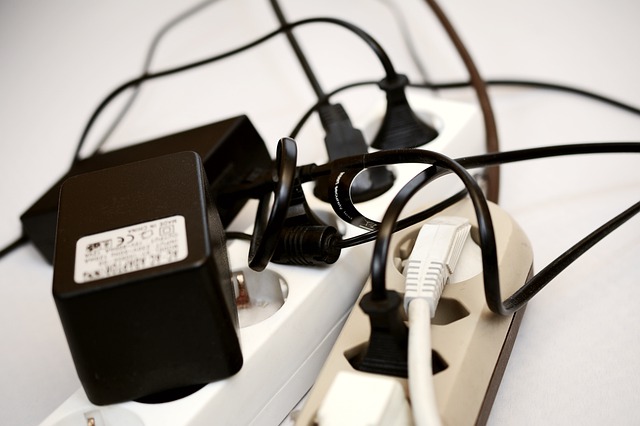
electrical cords left lying across floors and walkways, spills and leaks which
cause people to slip, are all too common.
Manual handling of goods, such as boxes
of photocopy paper stored up high above shoulder length, increases the risk of
employees being hit by falling objects or suffering musculoskeletal damage.
Hazards
in your workplace can be classified into different areas. Select each area below for more information.
These can include unrealistic
deadlines or overload of tasks which can cause stress; lack of unsatisfying
work; workplace bullying or harassment, discrimination.
Workplaces
must have a system for identifying hazards and conducting WHS risk assessments.
It will usually involve the following steps.
HSRs
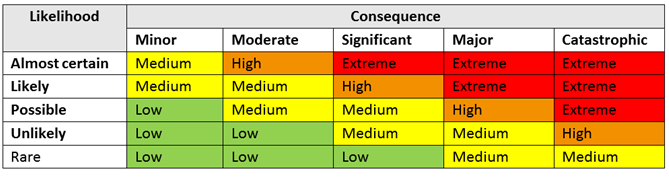
and managers often apply a risk matrix to rate the likelihood of a hazard
causing harm or injury and the impact of the consequence, if an injury or
accident did occur. See the risk matrix below.
First the hazard is
identified, then the likelihood of an injury occurring is identified by
selecting from almost certain to rare, (down the left hand
column).
The next step is to
rate the consequence; if an injury or accident did occur how would you rate the
consequence from minor to catastrophic (across the top row).
The rating of low,
medium, high or extreme, will inform the risk mitigation strategy, designed
by managers, to prevent an incident from occurring at work.
4.3. Scenario
With a partner, discuss the scenario below and use the Risk matrix on the previous page to identify the risk of the hazard.
A delivery of office supplies arrives from the supplier.
The receptionist is away and so the boxes are left in the reception area.
What is the potential hazard?
How many people may come into contact with this hazard or be affected?
How likely is it that a worker may be injured or harmed?
How would you rate the potential consequence, if an injury/accident occurred?
What is the risk rating?
Your HSR will often be involved in the risk assessment of your workplace but as an employee you also have a responsibility to:
follow your WHS procedures
report hazards and incidents
be involved in risk management when required
provide input into the safe working practices of your organisation
suggest improvements to reduce incidents or illness.
Learning Activity 6
To complete this activity, read and respond to Activity 6 questions in your document Learning activity worksheet.
Record your responses in your Learning activity worksheet. Bring this document with you to your next face-to-face class to discuss with your teacher and fellow students.
The
quicker hazards are identified, reported and dealt with, the safer the
workplace is for yourself and others.
Reporting hazards is every employee’s
responsibility and is often done informally and verbally when you see the HSR.
However, it can be helpful to report the hazard via email, so the HSR has:
a record of the conversation
a prompt to take action
a trail for monitoring the time it takes to
get WHS problems resolved.
Some
workplaces will have an online hazard register which automatically notifies the
HSR. Always refer to your workplace WHS policies and procedures for reporting
hazards.
What
is your organisation’s preferred way of recording hazards?
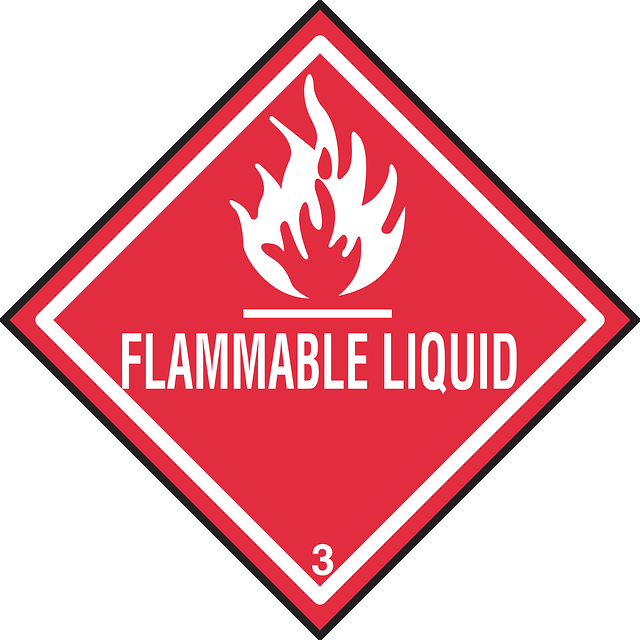
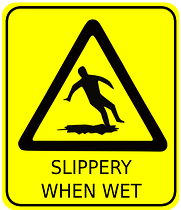
Signage,
posters and labels are strategies used in the workplace to remind and alert people
to dangers and help prevent accidents/incidents from occurring.
Australia
uses standardised colour schemes for safety signage in industries, to make
safety symbols universal and more easily recognised across industries.
For
example, you may have seen red signage for fire safety, blue and white signs indicating
when personal protective equipment (PPE) must be worn, yellow signs for
warnings etc.
Symbols
and visuals are important for employees who may speak a language other than
English or who are more visual learners. Hazards vary in different workplaces
and industries, but there are some common hazard symbols used across
industries.
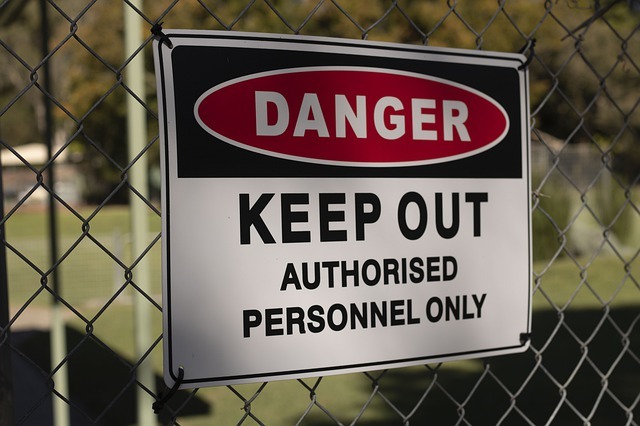
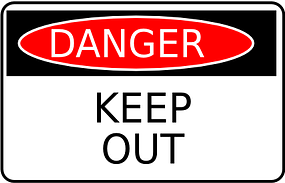
A general warning sign of hazards and to keep out of the area.
Danger, flammable materials.
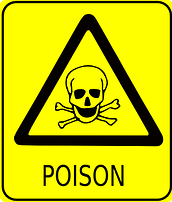
Skull
and crossbones indicates poisons and concentrated acids or toxic
substances.
What hazard symbols can you see in your own
workplace?
5. Implement WHS procedures
Now it’s time for you to implement some of the safety procedures you have been reading about. Complete the learning activity below.
Learning Activity 7
To complete this activity, read and respond to Activity 7 questions in your document Learning activity worksheet.
Record your responses in your Learning activity worksheet. Bring this document with you to your next face-to-face class to discuss with your teacher and fellow students.
In
Victoria, the Occupational Health and Safety (OHS) Act 2004, requires all
employers to:
keep
a written record of any workplace accidents
notify
WorkSafe of any dangerous incidents
keep
information regarding WHS of employees.
Some
of these reports may be called incident reports, first aid reports, workers
compensation claim forms. As part of this process, all employees are required
to report any emergency incidents,
accidents or near misses as quickly as possible. Let’s clarify these terms
commonly used in emergency reports.
Accident
An unintended event or incident which occurs at work, resulting in injury. E.g. a worker falls from a ladder.
Incident
An actual
or alleged event that occurs in a workplace and causes injury or potential
injury to a worker. E.g. A fight between workers, a chemical explosion in the
workplace.
Critical
incident
Events
which may require urgent medical attention and/or police notification such as:
Medical
emergency
Sexual
abuse
Mental
stress
Data
or privacy breach
Missing person
Near
miss
A
narrowly avoided incident, collision or accident. E.g. A worker narrowly
escapes being hit by shelving that collapses.
Your
organisation will have forms and templates to complete should an injury at work
occur. These forms are kept on file in case employees need to claim for medical
expenses and/or work cover; they can also be used as evidence in court cases.
Therefore the reports need to be written in clear, legible English and signed
off by your WHR and/or manager.
An
emergency report will usually include details of:
the
date and time of the incident/accident
the
location
name
and details of the injured person
what
occurred (factual account)
the
injury sustained
names
of witnesses
first
aid or treatment administered.
An
emergency or incident report contains a section for the employee, the HSR and
the manager to sign. See a sample emergency incident report below.
Remember
incident reports may be read by your manager, CEO, HSR, Worksafe
regulator, compliance auditors, police or used in a fair work claim court of
law, so it is important that you write clearly and legibly.
When
completing an incident report:
use clear,
short sentences
write a factual
account of what you saw/did
avoid
descriptive words or embellishing the story
use correct grammar and spelling
avoid writing other people’s responses or comments
unless they directly impacted the incident.
To complete this activity, read and respond to Activity 8 questions in your document Learning activity worksheet.
Record your responses in your Learning activity worksheet. Bring this document with you to your next face-to-face class to discuss with your teacher and fellow students.
This completes the second topic on implementing WHS in your workplace.
Now complete the learning activity below.
Learning Activity 9
To complete this activity, read and respond to Activity 9 questions in your document Learning activity worksheet.
Record your responses in your Learning activity worksheet. Bring this document with you to your next face-to-face class to discuss with your teacher and fellow students.










 A
A 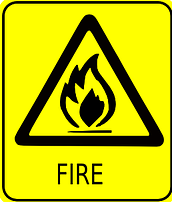 Danger, flammable materials.