Progress 4 / 13

4. Identify, report and record hazards

As a WHS duty holder, you are responsible for identifying hazards and keeping the workplace safe and healthy for all workers and visitors. Any hazards or WHS issues need to be reported to the health and safety representative (HSR) in your workplace and if they are absent, then directly to your manager. 

Workplace hazards

man in blue t-shirt and blue denim shorts sitting on concrete stairs during daytime
Photo by @sammywilliams on Unsplash, accessed 30/09/2021

Some of the most common type of accidents in workplaces often relate to tripping and falling. 

Objects left in walkways, deliveries not put away in a timely manner, electrical cords left lying across floors and walkways, spills and leaks which cause people to slip, are all too common. 

Manual handling of goods, such as boxes of photocopy paper stored up high above shoulder length, increases the risk of employees being hit by falling objects or suffering musculoskeletal damage.

Hazards in your workplace can be classified into different areas. Select each area below for more information.

file cabinet
Photo by @qwitka on Unsplash, accessed 09/09/2021
These can include tripping hazards such as cords, filing cabinets that can tip when full etc.

man sitting on chair in front on window during daytime
Photo by @bkotynski on Unsplash, accessed 09/09/2021
These can include glare or reflection from screens; poorly designed workflows that require a worker to be in one position for long periods of time.

clear plastic bottle on table
Photo by @nci on Unsplash, accessed 09/09/2021
These can include vapours in the air such as paint solvents, photocopier toner etc.

man looking stressed
Photo by Andrea Piacquadio from Pexels, accessed 09/09/2021
These can include unrealistic deadlines or overload of tasks which can cause stress; lack of unsatisfying work; workplace bullying or harassment, discrimination.

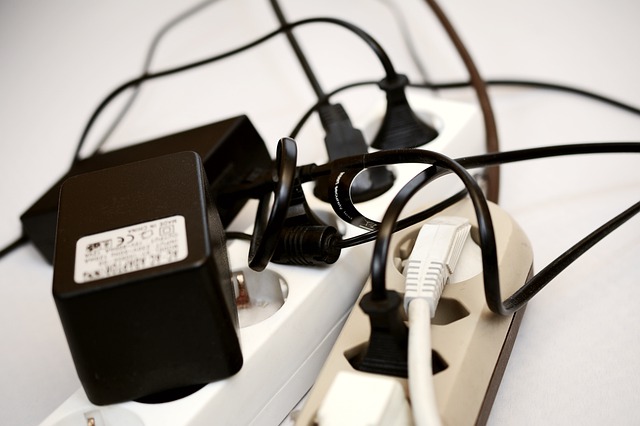
Cable, Connection, Cable Salad, Network, Plug, Computer
Image by congerdesign from Pixabay, accessed 09/09/2021
These can include damaged electrical cords; overloaded PowerPoints that may lead to electric shock.

Reference: ISBN-Officewise-guide-to-health-and-safety-in-the-office-2006-01.pdf

Hazards in a workplace are often identified by:

  • observation using WHS Hazard identification checklists
  • consulting with colleagues about WHS issues
  • regular scheduled WHS audits
  • checks conducted by HSRs
  • reviews of any incident and accident reports
  • WHS inspections conducted by external regulators or auditors.

Watch this short video–Find the Hazards in your workplace, to understand how workplace hazards are identified by Worksafe inspectors.

Find the hazards - (01:52)